
About carbon monoxide
Carbon monoxide facts
Carbon monoxide is often called the silent killer. You cannot see it, smell it or taste it.
Every year in the UK, around [VERIFY: figure (#1)] people go to A&E with suspected carbon monoxide poisoning and around [VERIFY: one figure with a source. Old site said 40 and 50, booklet says 50 for England and Wales (#3, #4)] people die.
What is carbon monoxide?
Carbon monoxide is produced when fuel does not burn properly. It is a natural product of incomplete burning of fossil fuels, and can come from appliances that use gas, wood, oil, coal or other solid fuel. Even low levels can cause lasting damage to your health.
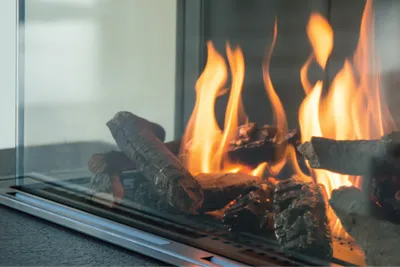
Common sources of carbon monoxide
The most common sources are faulty boilers, gas fires and cookers.
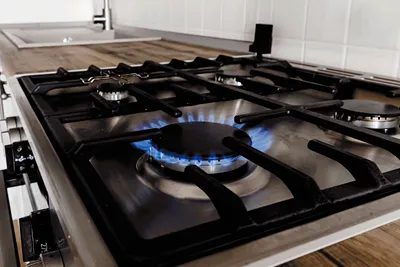
-
Boilers
Look out for gas flames burning orange or yellow instead of blue.
-
Fires
Fires becoming difficult to light could be a sign that fuel is not burning correctly.
-
Cookers
Watch out for sooty stains on or above appliances that burn fuel.
Other sources to keep an eye on
Things can change at any time. A flue or chimney could become blocked or damaged, an appliance could stop working properly, or something could change in a neighbouring property.
- Oil and gas boilers
- Portable generators
- Oil or solid fuel cookers
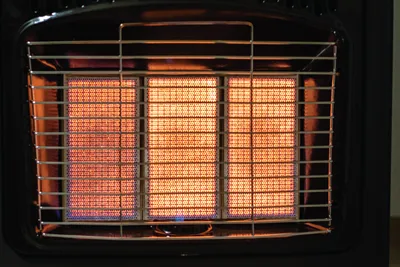
- Gas or paraffin heaters
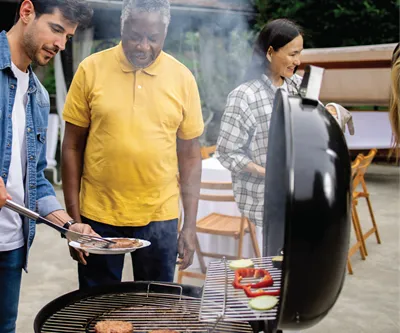
- Barbecues
- Clogged chimneys
- Wood or gas fireplaces
- Cigarette smoke [VERIFY: keep or remove]
- Any appliance that burns fossil fuel
How can carbon monoxide affect you?
Carbon monoxide can kill in minutes. It starves the body of oxygen. Early symptoms are often described as flu-like, but they can become deadly quickly and can cause long-term damage.
[VERIFY: all symptoms against NHS guidance, and "can kill in minutes" (#17, #19)]
-
Mild exposure
- Slight headache
- Nausea
- Vomiting
- Tiredness
-
Medium exposure
- Severe throbbing headache
- Drowsiness
- Confusion
- Fast heart rate
-
Extreme exposure
- Unconsciousness
- Convulsions
- Cardiorespiratory failure
- Death
I would pay a million pounds to see my son again.
Who is most at risk?
Carbon monoxide is dangerous to everyone, but some people are more vulnerable.
[VERIFY: against NHS or UKHSA guidance (#18)]
-
Young children breathe more often than adults, so could be more at risk.
-
People with heart or breathing problems are more vulnerable than healthy adults.
-
Older people who are poisoned may be more likely to develop brain damage.
-
Unborn babies: foetal blood cells take up carbon monoxide more readily than adult blood cells, so unborn babies are more at risk.
If you think CO may be affecting you or your family, open doors and windows, turn off your appliances and leave the property.
Carbon monoxide safety
-
At home
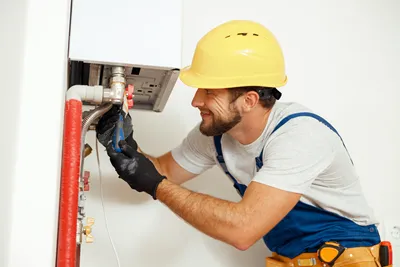
Have fuel-burning appliances checked regularly by a registered engineer. Replace faulty appliances. Ideally, fit a CO alarm in every room with a fuel-burning appliance and in each bedroom. Also fit one in any room a flue passes through, even if the flue is boxed in or hidden.
[VERIFY: against current guidance (#12)]
-
Caravans, tents and boats
Caravans and boats can have extra risks from air vents, because of nearby vehicles, engines, generators or barbecues. Fit an alarm in the same room as any appliance that burns fuel. Camping also carries risk from campfires and barbecues.
-
On holiday
Most battery-powered CO alarms are portable, so you can take one on holiday. Hotel guests are often unaware they are sleeping next to a boiler room or above a room with a fire. If you are camping, CO can enter your tent from a smouldering barbecue outside. Take a CO alarm with you.
-
Children
The best way to teach children about CO safety is by example. Let them see you getting appliances checked and make them aware of the dangers of carbon monoxide.
-
Older people living independently
Know the dangers of carbon monoxide, learn the symptoms and know what to do if there is a leak.
Five steps to improve your safety
Have your appliances checked regularly
Don't block ventilation
Too many people die or become seriously ill from carbon monoxide poisoning each year. [VERIFY: old copy added "less than a third of people have a CO alarm, putting more than 16.4 million households at risk". Find a current source or remove (#5)]
What to do if your CO alarm sounds
A loud alarm is a warning that high and potentially lethal levels of carbon monoxide are present. Never ignore it. Further exposure can be fatal.
Open doors and windows.
Stop using all fuel-burning appliances and, if possible, turn them off.
Leave the property, leaving doors and windows open.
Call the National Gas Emergency Service on 0800 111 999. Or call your gas or other fuel supplier on their emergency number. [VERIFY: Northern Ireland number (#20, #21)]
Do not go back in until the alarm has stopped.
Get medical help straight away for anyone with symptoms of carbon monoxide poisoning.
Do not use the appliance again until it has been checked by an expert.
Useful contacts
[VERIFY: every number and link (#20, #23 to #27)]
Gas
- If you smell gas or detect a gas leak National Gas Emergency Service 0800 111 999
- Health and Safety Executive (Great Britain) 0800 300 363 www.hse.gov.uk
- Health and Safety Executive for Northern Ireland 0800 0320 121 www.hseni.gov.uk
- Health and Safety at Work Inspectorate, Isle of Man www.gov.im
- Health and Safety Executive for Guernsey www.hse.guernsey.gg
Oil and biofuel
- OFTEC 0845 65 85 080 (helpline) www.oftec.org
Solid fuel
- Solid Fuel Association advice line 01773 835400
- HETAS 01684 278170 www.hetas.co.uk
Find out more
-
CO alarm buying guide
What to look for when you choose a carbon monoxide alarm.
-
Where should I put a CO alarm?
Which rooms need an alarm, and where to fit it.
-
Real stories
People affected by carbon monoxide share their stories.